
Uncategorized
Floating Solar PV Systems (FPV)
Description
Overview / 概述
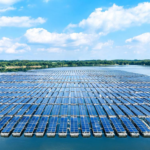
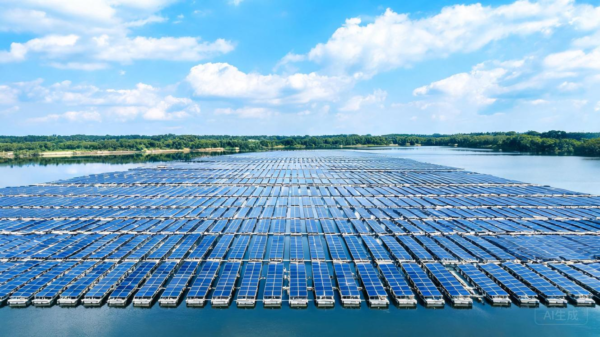
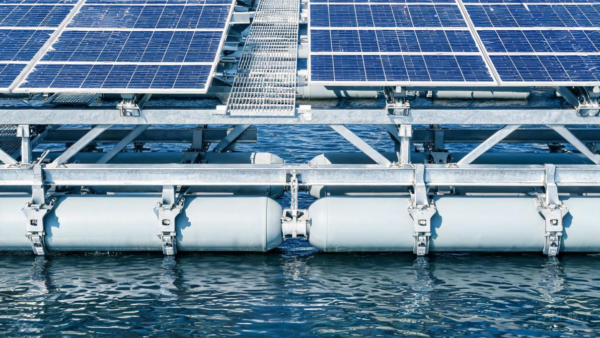
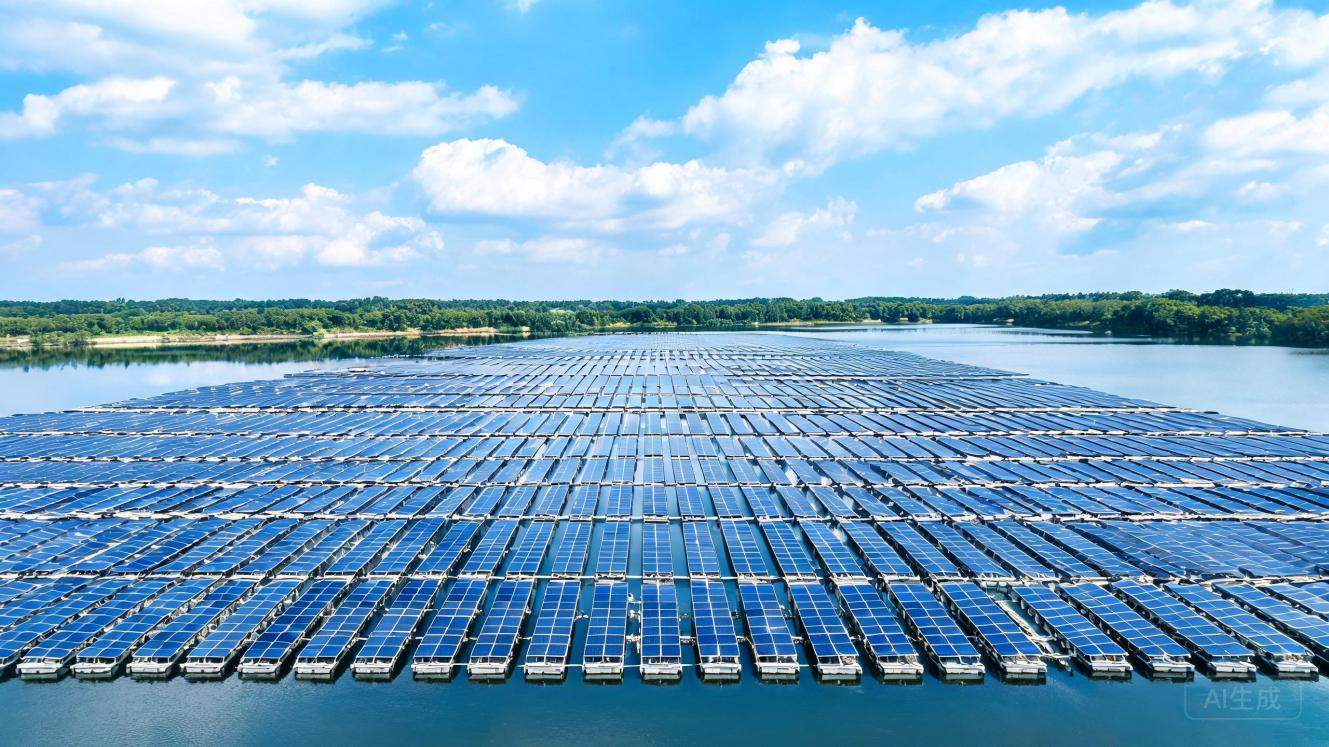
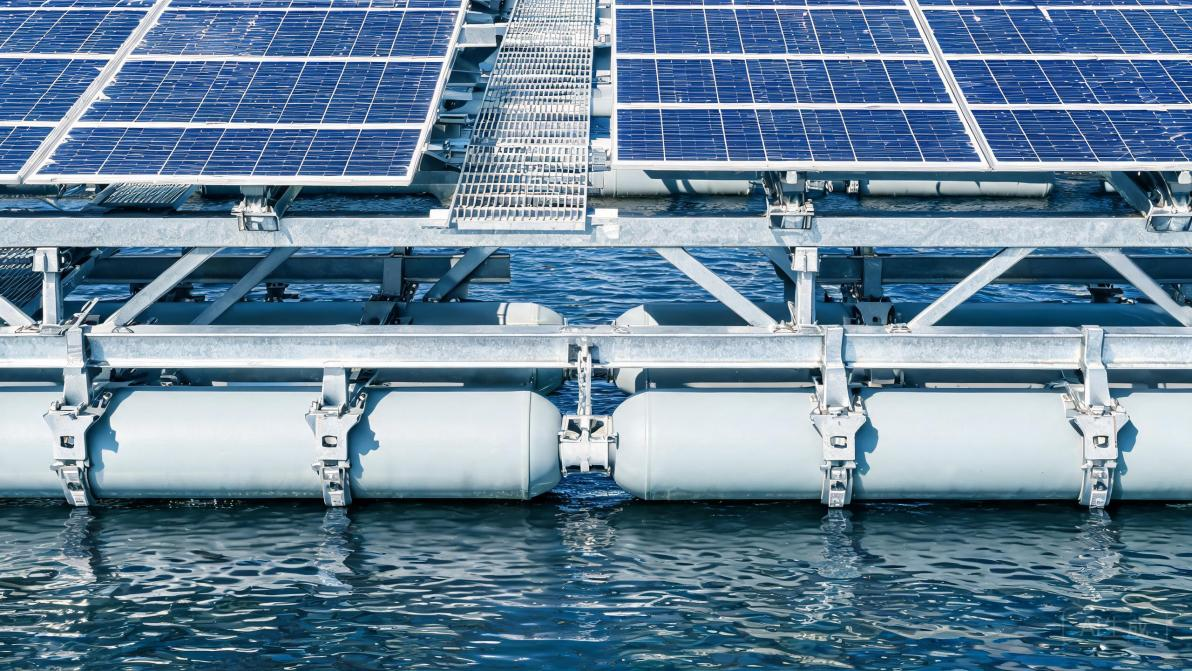
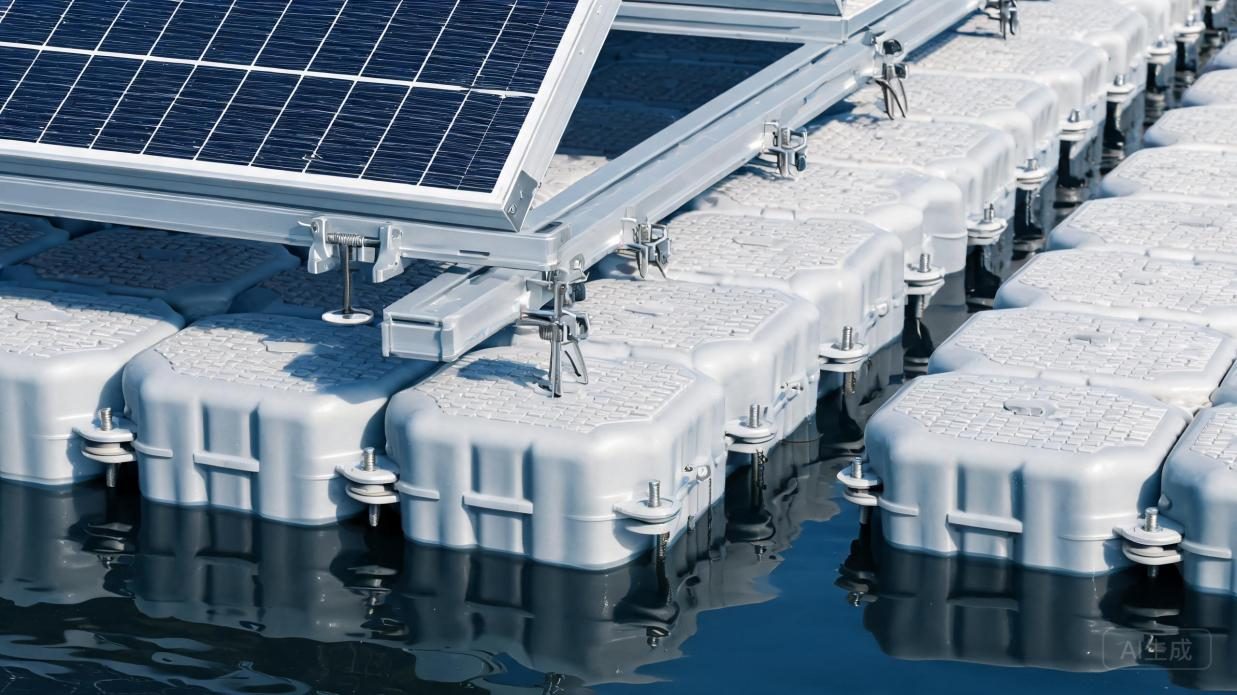
A floating solar mounting system does everything a ground mount does — it supports solar panels, maintains their orientation, resists wind and environmental loads, and provides a platform for electrical connections — but it does all of this while floating on water. The structural engineering principles are borrowed from three disciplines: solar mounting engineering, marine platform design, and mooring system engineering.
漂浮式太阳能支架系统完成与地面支架相同的所有功能——支撑太阳能板、保持方向、抵抗风荷载和环境荷载、提供电气连接平台——但所有这一切都在水面上漂浮完成。其结构工程原理借鉴了三个学科:太阳能支架工程、海洋平台设计和系泊系统工程。
Mounting Structure Details / 支架结构详情
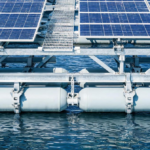
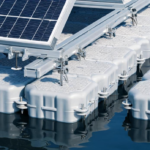
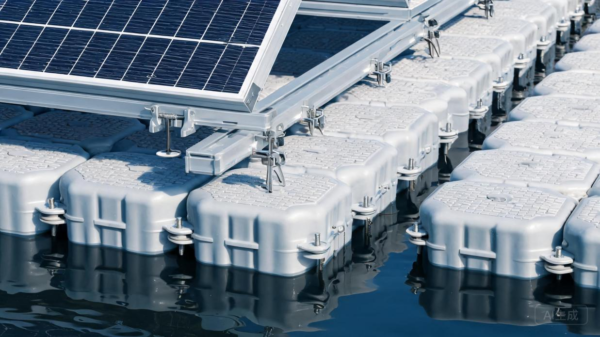
A floating solar mounting system has five primary components that do not exist in any land-based solar installation: the floating platform, the mooring system, the inter-module connection system, the water-rated electrical infrastructure, and the shore connection.
漂浮式太阳能支架系统包含五个陆地安装中没有的主要组件:浮台系统、系泊系统、模块间连接系统、防水电气基础设施和岸上连接系统。
| Platform Type 浮台类型 |
Material 材料 |
Best Application 最佳应用 |
| Modular HDPE 模块化HDPE |
HDPE 高密度聚乙烯 |
Reservoirs, ponds, wastewater (most common) 水库、池塘、污水池(最常见) |
| Concrete Pontoon 混凝土浮筒 |
Prestressed concrete 预应力混凝土 |
Large reservoirs, aggressive water chemistry 大型水库,腐蚀性水质 |
| Steel Pontoon 钢浮筒 |
Galvanized/coated steel 镀锌/涂装钢 |
Large arrays, high wave environments 大型阵列,高波浪环境 |
| Flexible Membrane 柔性膜浮台 |
HDPE membrane over frame 框架上覆HDPE膜 |
Small installations, irregular shapes 小型装置,不规则形状 |
| Hybrid Rigid-Flexible 刚柔混合 |
HDPE pontoon + flexible joints HDPE浮筒+柔性接头 |
Large arrays with wave exposure 大型阵列,有波浪暴露 |
Key Advantages / 核心优势
- No land consumption — utilizes existing water surfaces不占用土地——利用现有水面
- 5-15% higher energy yield from water cooling effect水冷效应使发电量提高5-15%
- 50-70% reduction in water evaporation in covered areas覆盖区域减少蒸发50-70%
- Reduced algae growth in water bodies减少水体藻类生长
- Lower panel soiling — rain naturally cleans panels面板污垢少——雨水自然清洁
- Synergy with existing water infrastructure (dams, treatment plants)与现有水利设施(大坝、处理厂)协同
- No land acquisition or lease costs无需征地或租赁费用