
Uncategorized
Fishery-Solar Complementary Systems (Aquaculture + Solar Power Generation)
Description
Overview / 概述
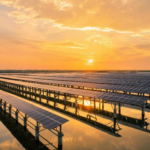
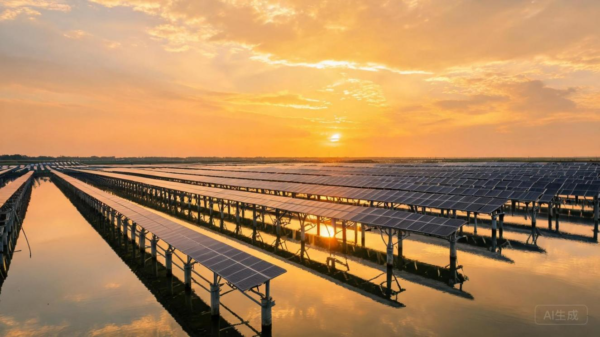
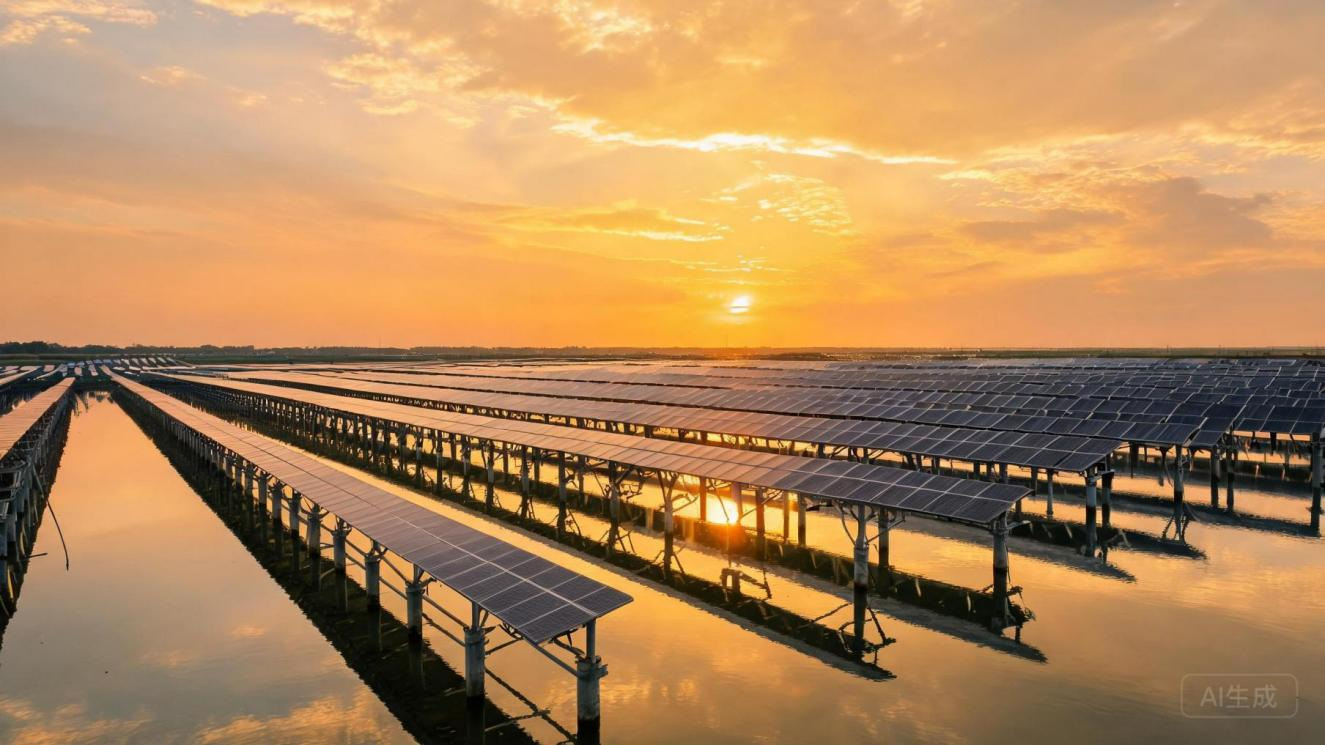
Fishery-solar complementary systems install solar panels above fish ponds or aquaculture facilities. This innovative dual-use approach allows electricity generation on the water surface while aquaculture continues below, maximizing economic output of water surface area.
渔光互补系统将太阳能板安装在鱼塘或水产养殖设施上方。这种创新的复合利用模式在水面上发电、水下养殖,最大化了水域面积的经济产出。
Mounting Structure Details / 支架结构详情
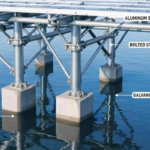
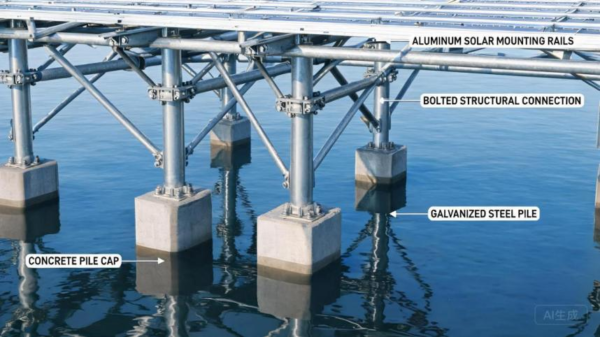
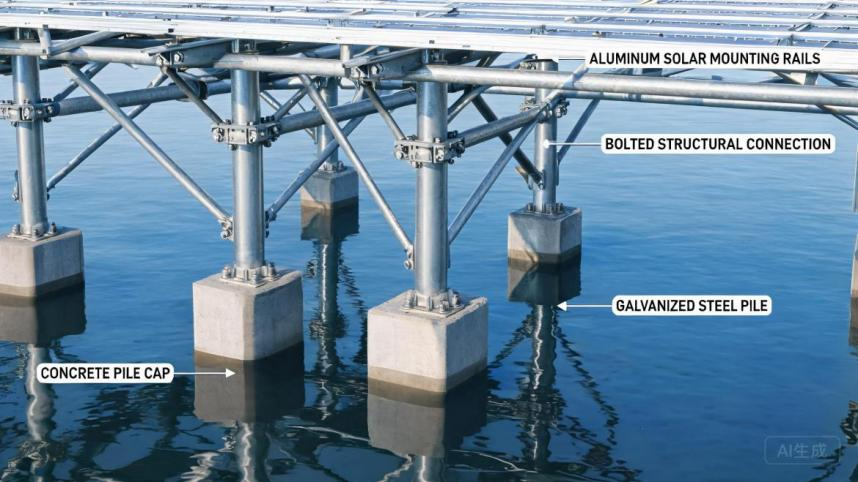
Fishery-solar PV systems require elevated mounting structures built over water bodies. Steel pipe piles or concrete piles are driven into the pond bottom. Above the water, a steel truss system supports PV modules at sufficient height
for aquaculture operations and boat passage. The structure must withstand water buoyancy, wave forces, wind loads, and accelerated corrosion from the aquatic environment.
渔光互补光伏系统需要在水面上建造高架支架结构。钢管桩或混凝土桩打入塘底 ,水面以上的钢桁架系统支撑光伏组件 ,高度需满足养殖作业和船只通行。结构必须承受水浮力、波浪力、风荷载以及水环境的加速腐蚀。
| Structure Type结构类型 | Galvanized steel pipe pile + truss镀锌钢管桩 + 桁架 |
| Pile Material桩材料 | Galvanized steel / concrete镀锌钢管 / 混凝土桩 |
| Pile Diameter桩径 | 100 – 200 mm
100 – 200毫米 |
| Water Depth水深 | 2 – 8 meters (typical)
2 – 8米(典型) |
| Clearance水面净空 | 2 – 4 meters (for boats)
2 – 4米(通航要求) |
| Truss System桁架系统 | Galvanized steel space truss镀锌钢空间桁架 |
| Corrosion防腐等级 | Marine environment class海洋级防腐 |
| Design设计标准 | Aquatic environment code水上环境规范 |
Key Advantages / 核心优势
- Dualincome – electricity sales + aquaculture
双重收益——发电 + 养殖
- Water coolingimprovesPV efficiency by 2-5%
水冷效应使光伏组件效率提高2-5%
- Reduces water evaporation and algae growth
减少水面蒸发和藻类生长
- No competition with agriculturalland
不与农业争地
- Significant landuse efficiencyimprovement
显著提高土地利用效率